
Denver · Trades, energy, and tech

AI integrations that move work to the next step.

1.21 Automated Intelligence helps companies in the trades, energy, and tech connect the steps of a job. When one step is finished, the next can begin on its own, whether that is a follow-up, a quote, or a record in another system. People stay close to it. They can see what happened, pause it, or change it before anything is treated as final.

A quiet desk in morning light, with the Front Range outside the window.

Carry the work forward

Once a step is finished, the next one can start. That might be a follow-up, a quote, or a record in another system, so the team is not the one nudging it along.

Leave room to look it over

Each move stays visible. Someone can pause a message, correct a record, or change the path. The company still chooses what it is comfortable sending.

Stay with the tools people already use

It fits into the ticket, the CRM, the inbox, or the plant system, so the team can keep working in the screens they already know.

Turn a finished step into the one that should follow.

The same pattern shows up in a service visit, a sale, and the systems that have to agree with each other.

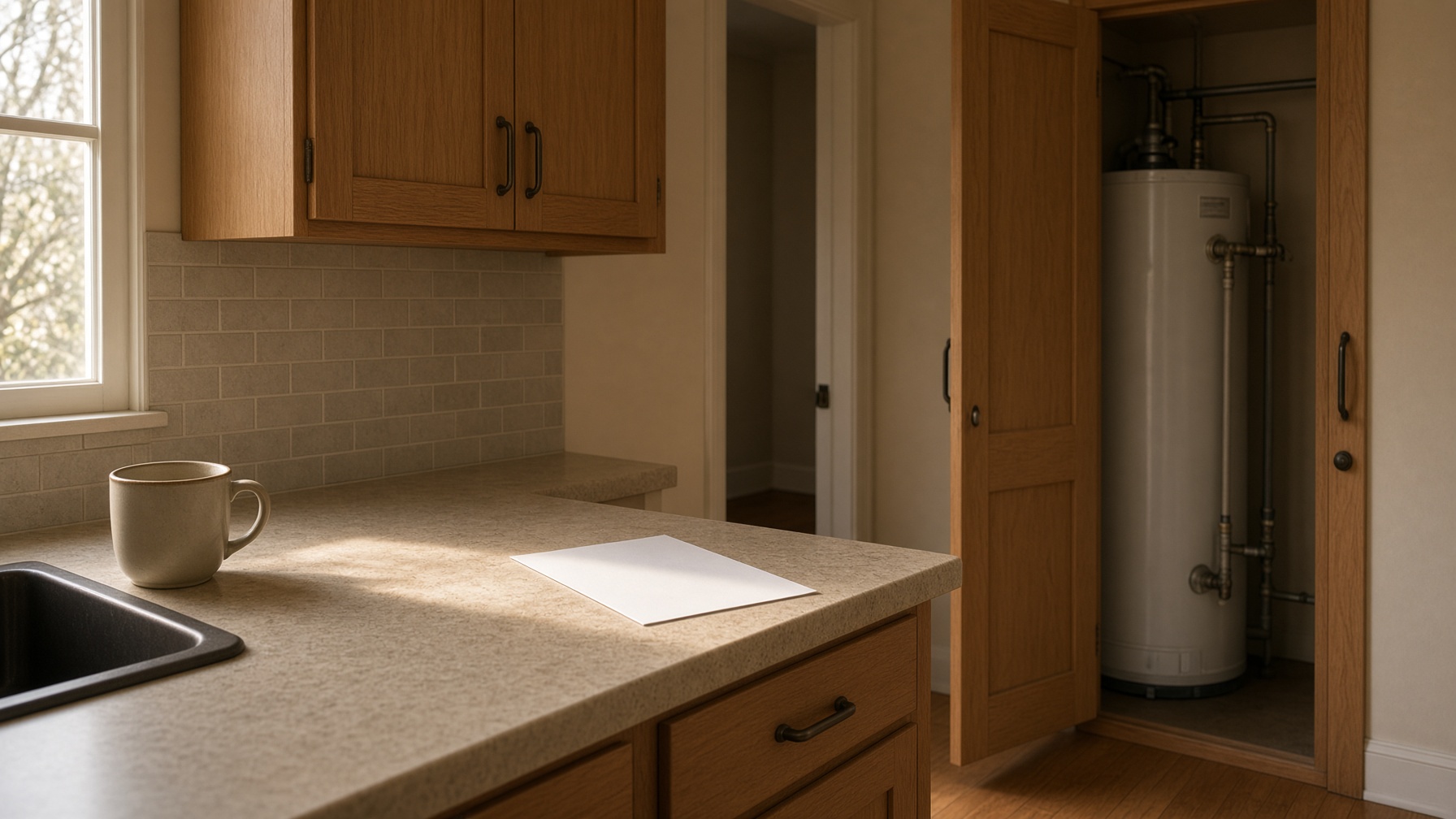
Suburban kitchen after a service visit: water heater closet ajar, a work order face-down on the counter.

Trades and home services

Follow-up after the truck leaves

After a technician leaves, the office still hopes to book the next visit, ask for a review, and order a part. Those are easy to miss once the truck is gone. The notes from the job can become a draft of those messages, and someone at the company looks them over before anything reaches the customer.

See how it works

Quiet sales desk at dusk: walnut, a closed notebook, a brass lamp, last light in the window.

Sales

From the first conversation to getting paid

A lead comes in, and the details often end up in different places. Notes in one spot, the quote in another, payment somewhere else. Those pieces can be gathered into the next step, so the person closing the deal can see what is done and what is still missing, without typing the same story again.

See how it works
Empty integration room: server racks with soft status lights, cable trays, a blank whiteboard.

Energy and operations

Systems that pass the work along

The same job is often typed into more than one system, simply because those systems were never introduced. The people doing the work usually know where the two screens disagree. Connecting them lets a change in one place show up in the others, and a person is there for the cases that should not be guessed.

See how it works

A step can move ahead, with people still close to it.

If something at the company tends to wait until someone remembers it, a short note is a good place to start.

Get in touch